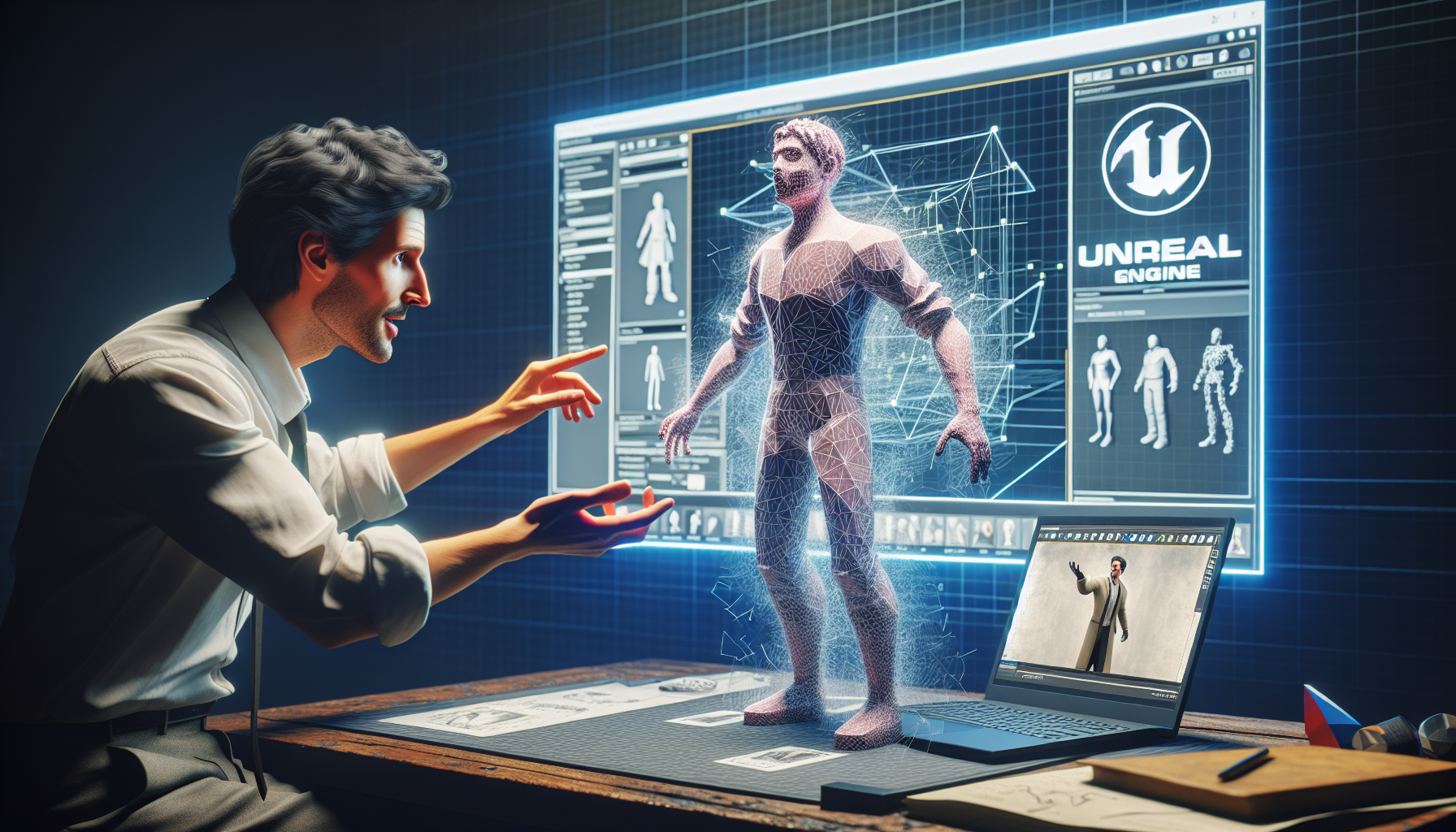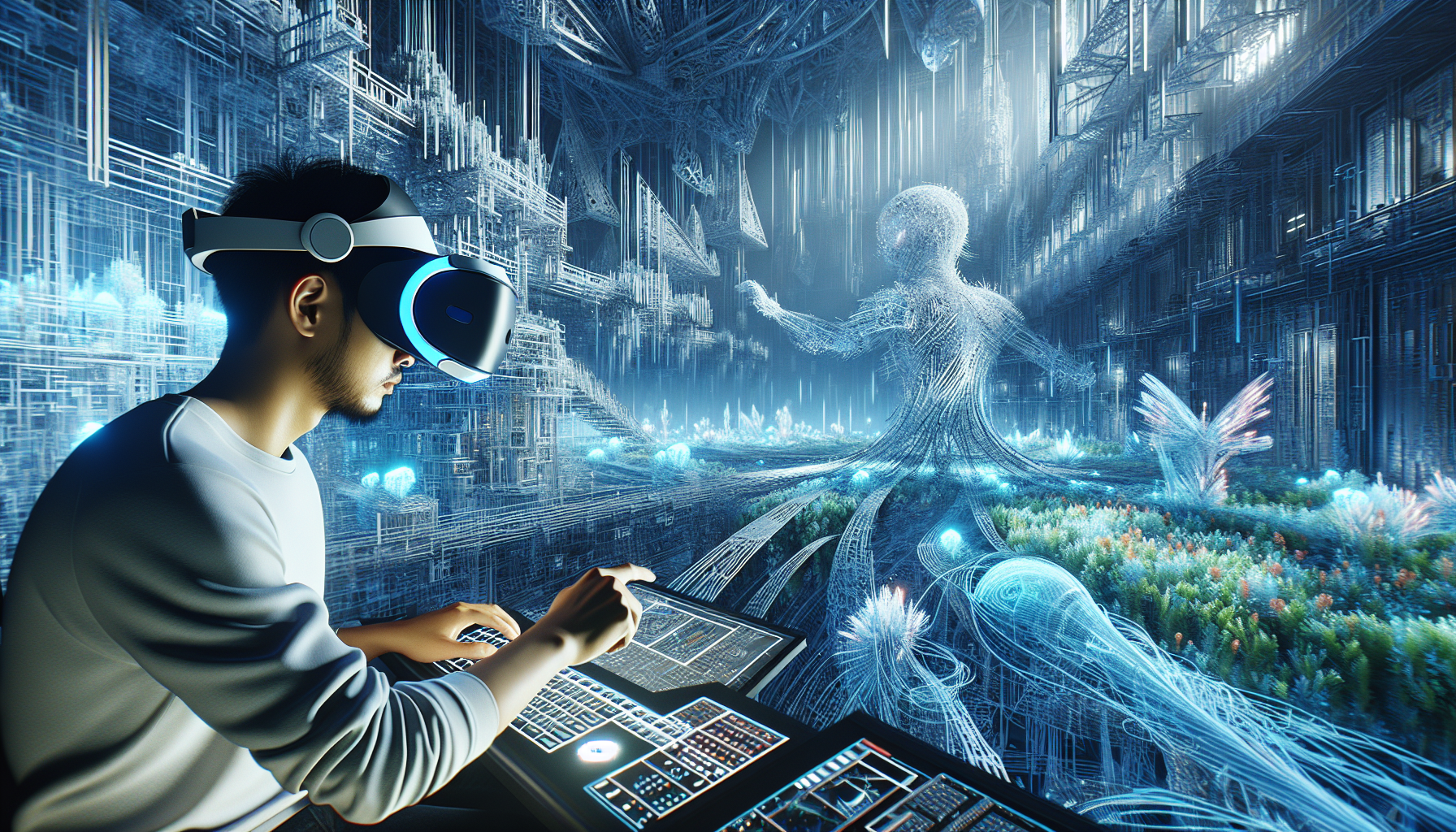
In the ever-evolving landscape of digital creation, where the frontiers of virtual and physical realities blur, there emerges a powerful tool from the Unreal Engine arsenal—Virtual Scouting. It’s not just a feature; it’s a revolution in how creators, from filmmakers to game developers, interact with their environments. Imagine strapping on a VR headset and walking through your digital creation as if you were on the set or in the game world itself. Let’s dive into how Virtual Scouting is reshaping the way we explore and refine digital spaces.
What is Virtual Scouting?
Picture this: you’re a director needing to set up the perfect shot for a complex action sequence, or a game designer plotting out an intricate level. Traditionally, this involves a lot of imagination and back-and-forth with concept art and prototypes. Enter Virtual Scouting, which allows you to literally walk through your digital set or game level using virtual reality, making decisions on lighting, camera angles, actor placements, and more in real-time, in a fully immersive environment.
The Game-Changing Features of Virtual Scouting
1. Immersive Interaction: Virtual Scouting transcends traditional screen-based asset placement by allowing you to enter the scene yourself. You can physically walk through a level, get a sense of scale and space, and make adjustments as naturally as if you were in a real-world location.
2. Real-Time Decision Making: Adjust lighting, swap out textures, move objects, or experiment with the time of day on the fly. See the impact of your changes instantly, without the lag of rendering or relying on imagination alone.
3. Collaboration Across Disciplines: Bring together directors, cinematographers, designers, and other stakeholders in a shared virtual space. Each member can provide input in real-time, greatly enhancing the collaborative process and reducing the need for costly physical prototypes or sets.
How to Leverage Virtual Scouting for Your Projects
Step 1: Set Up Your Environment
- Ensure you have the necessary hardware (VR headset, controllers, sufficient GPU power) and software (latest version of Unreal Engine with Virtual Scouting tools enabled).
Step 2: Import and Prepare Your Scene
- Import your digital environment into Unreal Engine. This could be a film set, a game level, or any other 3D space you are working to develop.
Step 3: Activate Virtual Scouting Tools
- Activate the Virtual Scouting toolkit within Unreal Engine. Customize the settings to suit your specific needs, whether you’re focusing on lighting, camera work, or general spatial arrangement.
Step 4: Dive In and Explore
- Don the VR headset and start exploring your environment. Use the handheld controllers to interact with elements in your scene directly. Move objects, adjust lighting, and even reposition the camera as if you were physically present in the space.
Step 5: Iterate and Refine
- Use the feedback and insights gained from your Virtual Scouting session to refine and iterate your design. Make adjustments in real-time and validate them immediately within the VR environment.
Step 6: Collaborate and Conclude
- Invite other team members to join your Virtual Scouting session for collaborative decision-making. Finalize your scene adjustments and prepare for the next stages of production.
The Strategic Advantage of Virtual Scouting
Efficiency and Innovation: Virtual Scouting cuts down on the time and resources traditionally required for physical scouting and pre-visualization phases. It fosters a more innovative approach to digital storytelling and environment design.
Enhanced Creative Control: By exploring a virtual environment as you would a real one, you gain a deeper understanding and control over the creative elements of your project, ensuring that every detail aligns with your vision.
Improved Collaboration: Virtual Scouting breaks down barriers between different creative teams, allowing for a more integrated and cohesive development process.
Conclusion: Stepping Into the Future of Creation
Virtual Scouting with Unreal Engine is like having a holodeck at your disposal, where the boundaries between digital creation and physical reality become indistinguishable. It represents a monumental shift in how we conceive, develop, and perfect digital environments. For creators ready to step into their worlds literally, Virtual Scouting is not just a tool but a gateway to the future of interactive and immersive design. So, strap on your VR headset, step into your scene, and start scouting the future, one virtual step at a time.