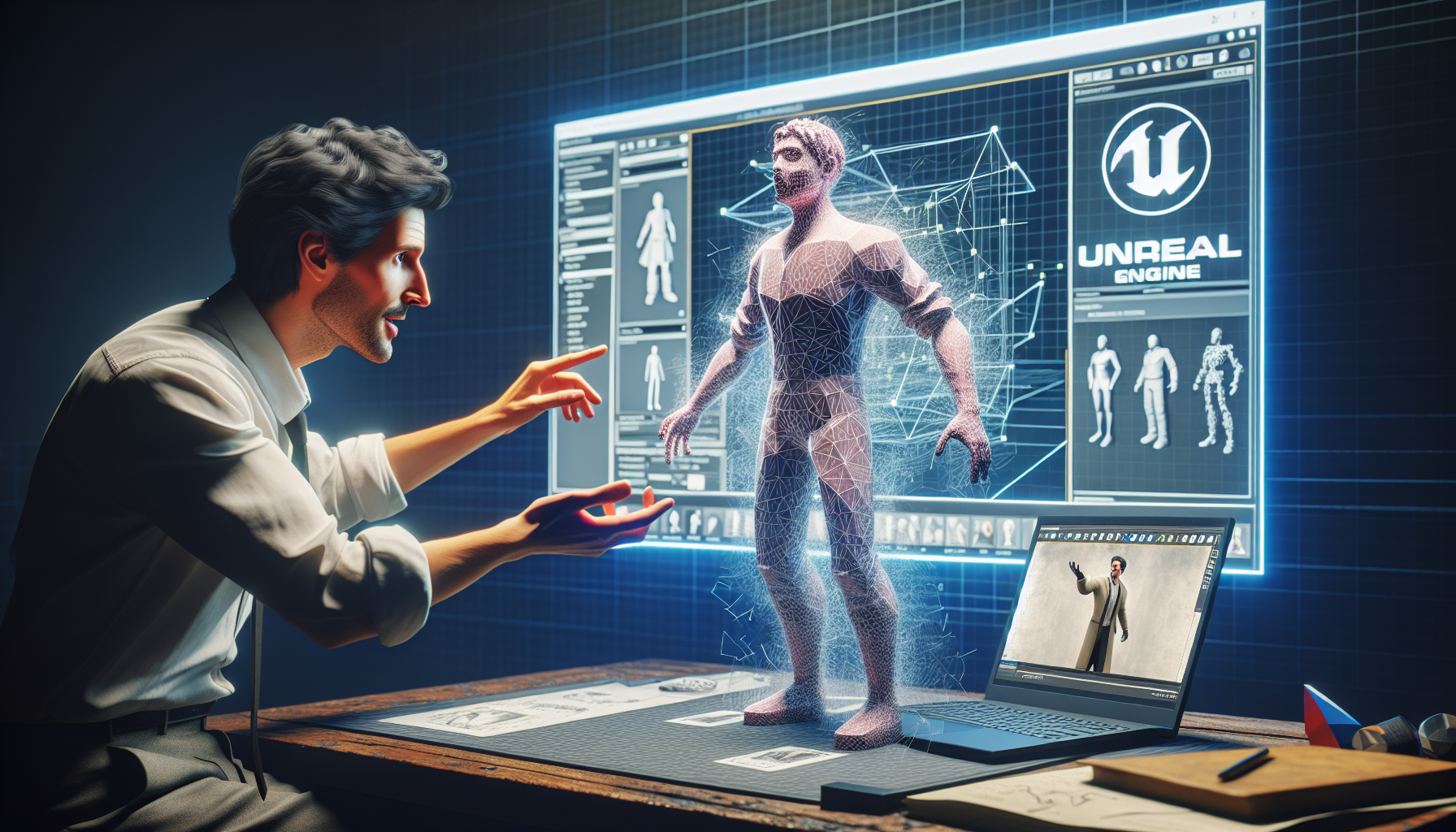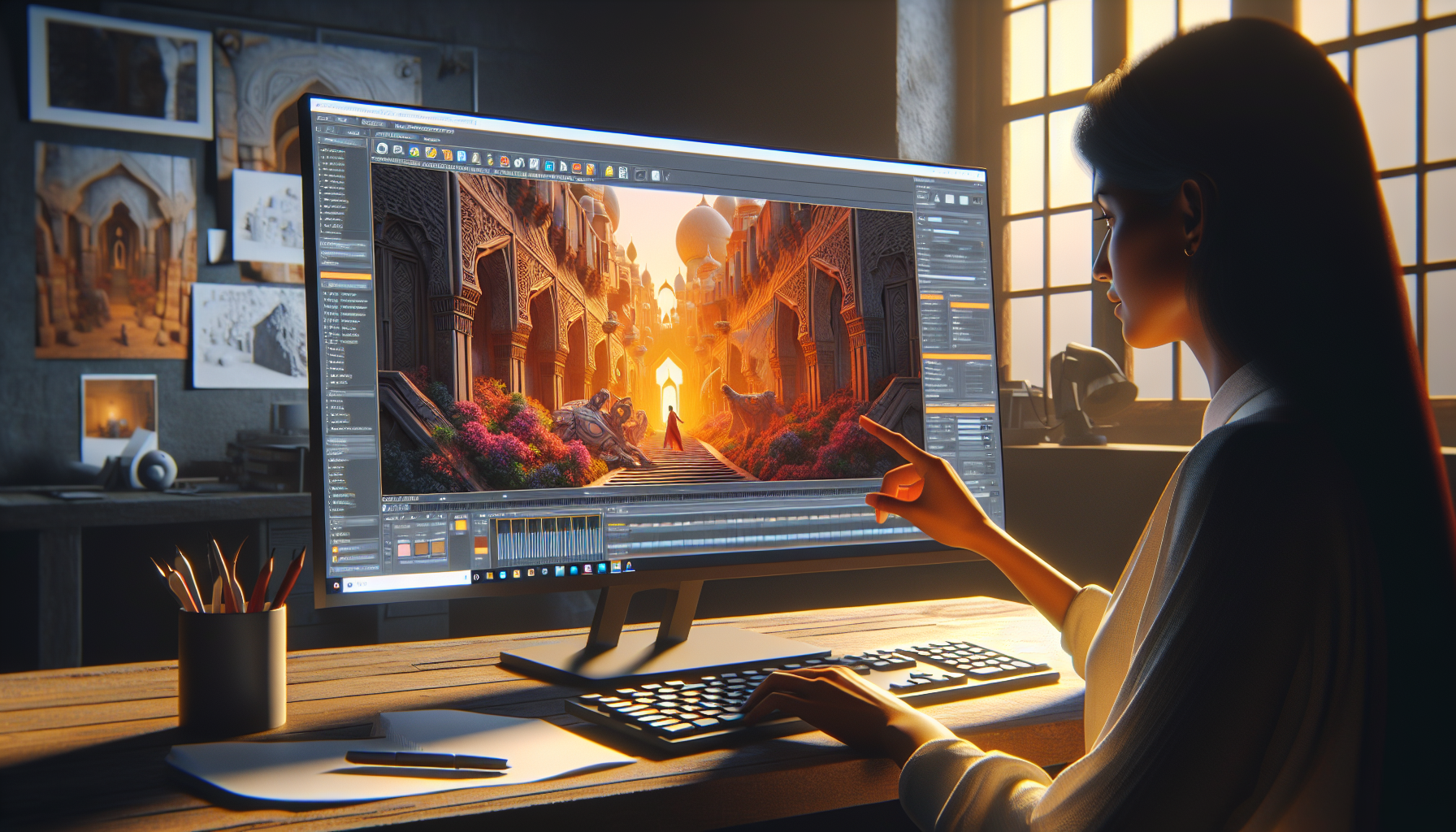
In the evolving landscape of 3D visualization and game development, efficiency and fidelity are paramount. Enter Datasmith—a powerful toolkit developed by Epic Games, designed to streamline the transfer of assets and scenes into Unreal Engine from a myriad of 3D design applications. Datasmith not only simplifies the workflow but also enhances it, allowing architects, designers, and multimedia professionals to bring their creations to life with stunning realism and speed. This blog post delves into what Datasmith is, how it benefits various industries, and why it’s considered a game-changer in real-time visualization.
What is Datasmith?
Datasmith is part of Unreal Engine’s broader suite of tools, specifically focused on importing, converting, and optimizing data from various major 3D design platforms into Unreal Engine. Prior to Datasmith, integrating detailed 3D models and environments into Unreal from software like 3DS Max, SketchUp, or Cinema 4D was often a time-consuming and complex process, fraught with technical hurdles and fidelity loss. Datasmith addresses these challenges head-on, providing a smooth, efficient pipeline for digital content creation.
Key Features of Datasmith
- Wide Range of Compatibility: Datasmith supports a vast array of file formats from leading design software, including Autodesk Revit, SketchUp, 3ds Max, and more. This compatibility ensures that Datasmith can be used in various sectors, from architectural visualization to film and television content production.
- Preservation of Data Integrity: When transferring data, Datasmith maintains the fidelity of the original models and textures. This means that materials, lights, and camera settings are preserved, reducing the need for post-import adjustments and speeding up the production process.
- Efficient Scene Management: Datasmith not only imports assets but also organizes them efficiently in Unreal Engine. This organization includes the structuring of meshes, materials, and other scene components into a manageable hierarchy, simplifying scene complexity and enhancing usability.
How Datasmith Benefits Different Industries
- Architecture and Construction: For architects, Datasmith offers an invaluable tool for creating immersive walkthroughs and virtual tours. By allowing quick import of detailed architectural models into Unreal Engine, architects can produce high-quality visualizations that help in both design development and client presentations.
- Film and Television: Production designers and visual effects artists can use Datasmith to import detailed sets and props into Unreal Engine, where they can be used to create realistic backdrops for films and television shows, or even be integrated into virtual production workflows.
- Product Design and Manufacturing: Datasmith allows for the import of CAD data into Unreal Engine, enabling product designers to create interactive presentations and virtual prototypes, which can be used for design validation and marketing.
Getting Started with Datasmith
To begin using Datasmith, you’ll need to install the Datasmith Exporter plugin for your respective 3D modeling software. Here’s a quick guide on how to get started:
- Install the Plugin: Download and install the appropriate Datasmith Exporter plugin from the Unreal Engine website.
- Export Your Scene: Use the exporter to convert your scene or model into a Datasmith file format.
- Import into Unreal Engine: Open Unreal Engine and use the Datasmith importer to bring your file into your project.
Conclusion: Why Datasmith Matters
Datasmith revolutionizes how professionals across industries can utilize Unreal Engine, democratizing access to high-fidelity visualizations and interactive experiences. By bridging the gap between traditional 3D modeling software and Unreal Engine, Datasmith empowers creators to bring their visions to life faster and with better quality than ever before.
Whether you are an architect looking to craft the next generation of virtual spaces or a filmmaker aiming to push the boundaries of visual storytelling, Datasmith offers the tools to turn imagination into immersive reality.